
Is water damage covered by home insurance after a sudden leak?
Standard homeowners insurance usually covers water damage from a sudden, accidental plumbing burst. Gradual leaks and neglected maintenance are usually excluded. Your own policy controls coverage.
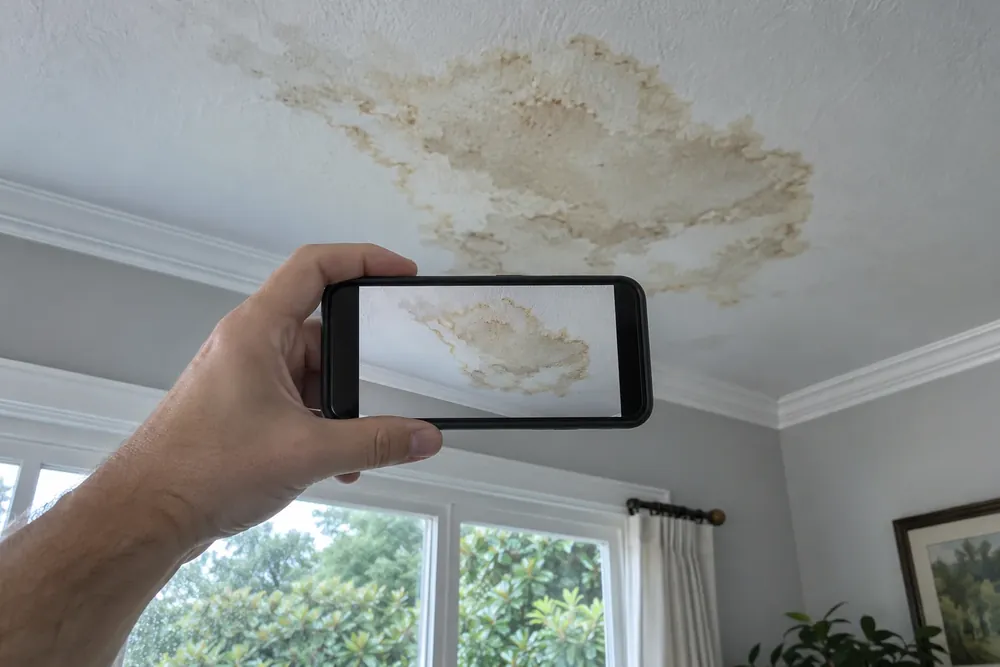
For broken pipe water damage, keep photos, dated moisture readings and inspection findings together. Record when you discovered the water and what you observed without guessing how long a hidden leak existed. Your technician documents the affected materials and moisture for your insurance claim.
What records should I keep from the water damage inspection?
Keep photos, dated moisture readings, a written cleanup scope, and related invoices together. For water damage restoration, insurance documentation should describe the damage and work rather than promise a payment.
- Photos show visible damage and affected belongings.
- Moisture readings record which materials are wet.
- A written scope lists removal, drying, and proposed repairs.
- Invoices and receipts record expenses.
One of our local water damage partners outlines the inspection and cleanup charges before starting work. Take your own photos only from a safe position, and share existing records during the call.
Does my homeowners policy cover water coming in from outside?
Rising outside floodwater is usually excluded from standard homeowners insurance. Coverage for this damage comes through separate flood insurance. Rainwater running over the ground into a home falls into a different coverage category from water escaping a plumbing line.
Sewer backup coverage is usually an optional endorsement added to a homeowners policy. Describe where the water entered and what you saw so the source is documented accurately. Call about water removal while the claim is being reviewed, and keep records of affected rooms, building materials and belongings.
What water damage is covered by insurance for a slow leak?
Damage from a slow leak or a maintenance problem is usually excluded from homeowners insurance. Finding a stain today doesn't tell you when the leak began; inspection findings and any known leak history help explain the cause.
A ceiling water damage insurance claim needs records of the stain, moisture, and identified source. Photos and a written inspection scope help describe those facts. Share any known leak history accurately and leave the coverage decision to your insurer. For a hidden leak, record the date you first noticed signs of damage. For safe action around dripping or sagging drywall, see ceiling water damage.